A Guide to EVs and Hybrids
EV and Hybrid Vehicle Types

Electric
An electric vehicle (EV) is powered by a large battery and an electric motor that is capable of providing a long driving range without a combustion engine and any traditional fuel source such as gasoline. At-home and public charging stations are available. Because electric vehicles produce zero tailpipe emissions, EV drivers are able to lower their carbon footprint and overall impact on the environment.

Plug-in Hybrid
A plug-in hybrid vehicle (PHEV) is a gasoline-powered hybrid, meaning it has both a battery and a combustion engine. Its battery, which has the ability to recharge via an external power source, allows the vehicle to run like an EV until the battery is depleted and then it switches over to its fuel reserves and its more traditional engine to keep going. Regenerative braking also helps save fuel.

Hybrid
Hybrid vehicles are 100% gasoline-powered; however, it does not rely completely on its gas engine for propulsion. Hybrids are also equipped with electric motors, which use energy stored in batteries to save fuel. Regenerative braking is one way the battery is able to maintain a charge. Hybrids do not and cannot be plugged into an external power source or charger. Its primary benefit is better fuel efficiency than regular gas-powered cars.
Hybrids & EVs From Brands We Carry


3 Advantages of Going Green
1. Cost
One of the most noticeable benefits of EVs and hybrids is the cost. EVs reduce trips to the gas pump, and many hybrids deliver excellent fuel economy, helping drivers save money over time.
2. Convenience
With the ability to charge at home or at public charging stations, EVs and plug-in hybrids provide flexibility and convenience for daily driving.
3. Environmental Impact
Electric vehicles help reduce tailpipe emissions and lower overall carbon output, contributing to cleaner air and a healthier environment.

Charging Levels Explained
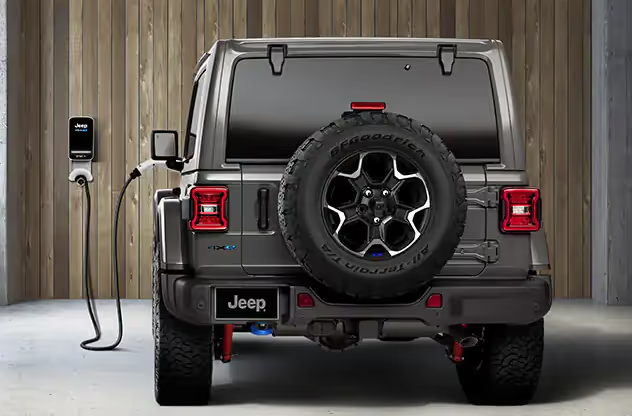
Level 1 – 120V
The slowest charging option, typically using a standard household outlet. Ideal for overnight charging and low daily mileage.
Level 2 – 240V
Commonly found at home charging stations and public locations. Provides significantly faster charging than Level 1.
DC Fast Charging
The fastest option available, typically located along major travel routes. Designed for quick top-ups during longer trips.
FAQs
How long do electric car batteries last?
Most EV batteries are designed to last 8–10 years or more, depending on usage, climate conditions, and charging habits.
Are electric car batteries covered by warranty?
Yes. Many manufacturers provide battery warranties covering several years or a specific mileage threshold.
How do I find an EV charging station?
Use online charging maps or mobile apps to locate nearby public charging stations wherever you travel.